Digital Payments and Modern Spending: Why Traditional Wallets Are Slowly Losing Their Place
A traditional wallet used to feel like one of those everyday objects nobody questioned. Cash, cards, receipts, maybe a loyalty card that should have been thrown away three months earlier. It was practical, familiar, and deeply ordinary. That routine is changing. Digital payments are becoming part of daily life so quickly that, in many places, reaching for physical cash now feels slower than expected and slightly out of step with how modern transactions work.
That shift fits naturally into a wider digital environment where services, apps, and platforms such as sankra exist inside habits built around speed, access, and constant connection. Payments have moved into that same rhythm. A phone, watch, or app can now handle what a wallet once did on its own. Buying coffee, paying for transport, sending money, splitting bills, and checking spending history can happen from one screen in a few seconds. Convenience is a huge part of the story, but it is not the only reason the old wallet is losing ground.
Why Digital Payments Feel More Natural Now
One reason digital payments have grown so quickly is simple: they fit modern behavior better. People already carry phones everywhere. Watches, apps, and online accounts are part of ordinary routines. Once payment systems moved into those tools, the physical wallet stopped feeling essential in the same way.
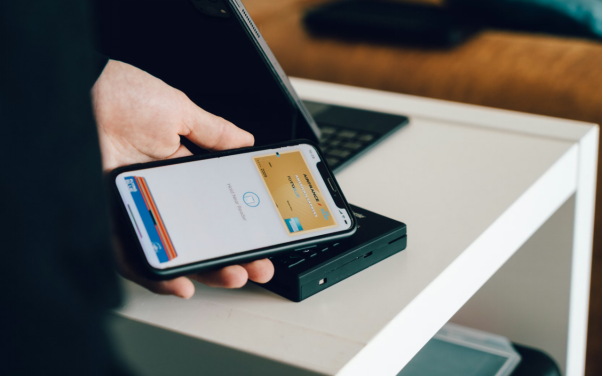
This is especially true in fast-moving daily situations. Tapping a phone at checkout often feels easier than searching for the right card or counting notes while a queue grows behind. Online shopping pushed this change even further. A generation of consumers became used to paying without touching cash at all, and that habit did not stay limited to internet stores. It followed people into cafés, taxis, grocery shops, and public transport.
The result is not just a new payment method. It is a different expectation. Many people now assume payment should be quick, contactless, and almost invisible. Once that expectation settles in, physical money starts feeling less convenient than it used to.
The Old Wallet Is Competing With More Than Cards
Traditional wallets were not replaced by one single tool. They are being challenged by a whole system of digital services working together. Banking apps, digital wallets, mobile pay platforms, instant transfers, QR payments, subscription billing, and contactless systems all play a role.
That matters because digital payments do more than complete a purchase. They also organize spending. A person can check recent transactions, track budgets, freeze a card, split a restaurant bill, or receive instant alerts after a purchase. A leather wallet cannot do much beyond holding paper and hoping for the best.
This is where the comparison becomes unfair. Physical wallets offer familiarity, but digital payments offer speed plus information. In a world where people increasingly want to see where money goes and manage it in real time, that combination is hard to beat.
Why Digital Payments Keep Gaining Ground
- Faster checkout reduces waiting time in shops and cafés
- Contactless convenience makes small purchases easier
- Instant transaction records help track spending more clearly
- App integration connects payments with budgeting and banking tools
- Remote access allows purchases without carrying physical cash
- Easy person-to-person transfers simplify shared expenses and quick payments
These advantages may sound ordinary, but ordinary habits are exactly what reshape markets. People rarely change behavior because of grand theory. Usually, change happens because one option simply feels easier twenty times in a row.
The Change Is Cultural, Not Only Technical
There is also a cultural side to this shift. Paying with a phone or watch now feels normal rather than futuristic. Younger users often grow up expecting money to move digitally. Even older users, once skeptical, are adopting mobile payments because the systems are easier than before.
This normality is important. Technology wins the biggest when it stops looking like technology and starts feeling like routine. A digital payment succeeds not when people admire it, but when people barely think about it at all. That is usually the moment when a real habit has formed.
What Digital Payments Offer Beyond Basic Convenience
- Better spending visibility through instant records and notifications
- Simpler travel and transport use with mobile ticketing and passes
- More flexible online shopping across devices and apps
- Easier bill management through automatic or scheduled payments
- Stronger account control when something looks suspicious
- Less physical clutter from cash, receipts, and extra cards
That last point is small, but real. Many people enjoy carrying less. A phone already sits in the hand half the day anyway. The wallet, meanwhile, starts looking like one more object that forgot the market had moved on.
Why the Traditional Wallet Is Fading
Digital payments are replacing traditional wallets because they match the pace and shape of modern life more closely. They are faster, easier to track, easier to connect with other services, and often easier to manage when something goes wrong. Cash and physical cards still matter, and they will not vanish overnight. But their dominance is slipping.
The bigger story is not just about money changing form. It is about habits changing direction. Payments are becoming less physical, less separate, and less visible as a standalone act. In the future, the most successful payment tools will probably be the ones that feel almost effortless. And that is exactly why the traditional wallet is being pushed toward the edge. Not because it became useless, but because digital payments learned how to fit daily life just a little better.