The Value Of Practical Learning In First Aid Training In Noosa
First aid skills are among the most important life skills anyone can acquire. While theoretical knowledge is valuable, it is practical learning that truly prepares individuals to act effectively during emergencies. The growing demand for first aid training Noosa highlights how people are recognising the importance of hands-on experience in building real confidence and competence. In situations where every second matters, knowing what to do is only part of the equation, while being able to act quickly and correctly makes all the difference.
Why Practical Learning Matters In Emergency Situations?
Emergencies are unpredictable and often stressful. In such moments, individuals do not have the luxury of time to recall lengthy instructions or search for guidance. Practical training bridges this gap by allowing learners to physically perform techniques such as CPR, wound management, and patient assessment. Repeated practice helps embed these skills into muscle memory, making it easier to respond instinctively when faced with real-life scenarios.
Unlike passive learning methods, practical sessions simulate real emergencies. This exposure helps participants understand how to remain calm under pressure, manage panic, and make quick decisions. It transforms theoretical understanding into actionable skills that can save lives.
Building Confidence Through Hands-On Training
Confidence is a critical factor in emergency response. Many people hesitate to step forward during a crisis because they fear making mistakes. Practical learning addresses this concern by giving participants the opportunity to practice in a controlled and supportive environment.
Through repeated drills and realistic simulations, individuals develop a sense of familiarity with emergency procedures. This familiarity reduces hesitation and builds trust in their own abilities. Enrolling in a first aid course Noosa QLD, often includes interactive sessions where participants receive guidance and feedback from experienced trainers, further enhancing their confidence.
Real World Application Of Skills
One of the greatest advantages of practical learning is its direct relevance to real-life situations. Instead of memorising steps from a manual, learners actively engage in performing those steps. This approach ensures that they understand not just what to do, but how to do it correctly.
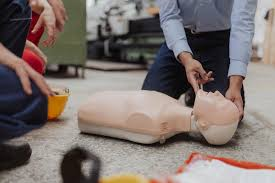
For example, performing CPR on a mannequin allows participants to learn the correct pressure, rhythm, and technique required to be effective. Similarly, practising bandaging and injury management prepares individuals to handle various types of injuries. These hands-on experiences create a deeper understanding that cannot be achieved through theory alone.
Enhancing Retention And Long-Term Knowledge
People who actively participate in the learning process remember information better, according to numerous studies and personal experiences. Practical training reinforces memory by combining physical action with mental understanding. When learners practice techniques repeatedly, they are more likely to remember them over time.
This long-term retention is especially important in first aid, where skills may not be used daily but must be recalled instantly when needed. Practical learning ensures that individuals are always prepared, even if they have not faced an emergency for a long period.
Adapting To Different Environments And Scenarios
Another key benefit of practical training is its ability to prepare individuals for a wide range of situations. Emergency scenarios can vary greatly depending on the environment, whether it is at home, in the workplace, or outdoors.
Hands-on training often includes different case studies and simulated environments, helping participants adapt their skills accordingly. For instance, techniques used in urban settings may differ from those required in remote or outdoor areas. Exposure to diverse scenarios ensures that learners are versatile and capable of handling unexpected challenges.
Programs like first aid in North Lakes, where hands-on learning is customised to match the requirements of certain communities and environments, are another example of this flexibility.
Encouraging Teamwork And Communication
Practical learning sessions often involve group activities, which help participants develop teamwork and communication skills. In real emergencies, working together effectively can significantly improve outcomes.
Participants learn how to coordinate with others, delegate tasks, and communicate clearly during high-pressure situations. These skills are essential for managing emergencies efficiently and ensuring that help is provided as quickly as possible.
Supporting Workplace And Community Safety
Organisations and communities benefit greatly from individuals who are trained in practical first aid skills. Workplaces that prioritise hands-on training create safer environments for employees, reducing the risk of severe outcomes during accidents.
Similarly, communities with well-trained individuals are better equipped to respond to emergencies, whether it involves assisting a neighbour, helping during a public incident, or providing immediate care before professional help arrives. Practical learning strengthens this collective preparedness and fosters a culture of safety and responsibility.
Conclusion
The value of practical learning in first aid training cannot be overstated. It transforms knowledge into action, builds confidence, and ensures that individuals are truly prepared to respond in emergencies. By focusing on hands-on experience, learners gain the skills and assurance needed to make a real difference when it matters most.