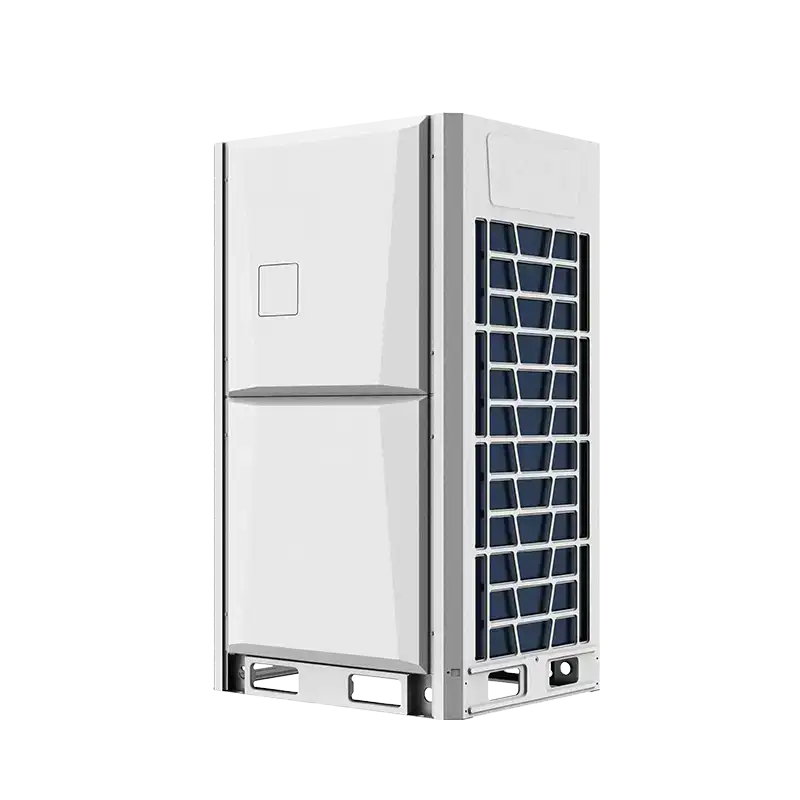
The Ultimate Guide to Commercial VRF Air Conditioning Systems in India (2026)
With commercial electricity tariffs steadily climbing across major Indian hubs, facility managers and building owners are under immense pressure to reduce operational expenses (OPEX). Traditional chiller plants and outdated ducted systems, notorious for their massive energy consumption, are quickly becoming financial liabilities.
For modern Indian enterprises, selecting a high-performance VRF air conditioning solution is no longer a luxury—it is a critical investment for ensuring consistent cooling in harsh summers while drastically cutting energy bills. In this comprehensive B2B guide, we will break down how VRF technology works, analyze its true ROI, and reveal the India-specific maintenance challenges that most manufacturer brochures leave out.
What is a VRF Air Conditioning System?
How VRF Technology Works
Variable Refrigerant Flow (VRF) is an advanced, large-scale HVAC architecture that uses refrigerant as the primary cooling medium. Powered by sophisticated inverter-driven compressors, a VRF system does not simply turn “on” and “off.” Instead, it intelligently detects the real-time thermal load of every individual room and varies the exact flow of refrigerant to meet that specific demand. This results in pinpoint temperature control and zero wasted energy.
VRF vs. VRV: Clearing the Brand Confusion
In the Indian HVAC market, contractors often use the terms VRF and VRV interchangeably. Here is the simple truth:
VRV (Variable Refrigerant Volume): A patented trademark belonging exclusively to Daikin.
VRF (Variable Refrigerant Flow): The generic industry term utilized by all other major brands (such as Blue Star, LG, and Mitsubishi).
Technologically, a VRF multi-split system and a VRV system operate on the exact same fundamental principles.
Why VRF is the Go-To Solution for Indian Businesses
Unmatched Energy Efficiency (High ISEER)
India utilizes the Indian Seasonal Energy Efficiency Ratio (ISEER) to measure AC performance. Because commercial buildings rarely require 100% cooling capacity in every room at the same time, VRF systems excel at partial load efficiency. By slowing down the compressor when demand is low, a VRF outdoor unit can consume 30% to 40% less electricity than a conventional, non-inverter commercial HVAC system.
Space Saving and Design Flexibility
In premium real estate markets like Mumbai, Bangalore, and Gurgaon, floor space equals revenue. Traditional chillers require massive dedicated plant rooms, cooling towers, and thick sheet-metal ductwork. VRF systems utilize ultra-slim copper piping and modular outdoor units that can be easily placed on a rooftop, maximizing the leasable area of your commercial property.
The “India Specific” Challenges: What Most Blogs Ignore
Standard global SEO articles will tell you VRF is perfect. However, deploying this technology in India requires addressing two critical local challenges:
Beating the 50°C Summer: Tropical Design
Standard international HVAC units often experience severe capacity derating (loss of cooling power) or automatic safety shutdowns when the ambient temperature crosses 42°C. In regions like Delhi or Rajasthan, summer temperatures regularly approach 50°C.
The Solution: You must procure “Tropicalized” VRF outdoor units specifically engineered with enhanced condenser coils and heavy-duty compressor cooling tech designed to operate flawlessly in extreme high-ambient conditions.
Power Fluctuations & Voltage Stabilizers
This is the silent killer of VRF systems in India. VRF units rely on highly sensitive, microprocessor-controlled variable frequency drives (VFDs). India’s commercial power grid is prone to sudden voltage spikes and drops.
The Solution: Without industrial-grade voltage stabilizers integrated into the electrical design, a single power surge can fry a proprietary communication board, leading to costly downtime and expensive repairs.
VRF Installation Cost and ROI Analysis in India
Is the high VRV AC price justified? Let’s compare the total cost of ownership:
| Metric | VRF / VRV System | Air-Cooled Chiller Plant | Traditional Ducted Split |
| Initial Cost (CAPEX) | High (+30% Premium) | Very High | Moderate |
| Operating Cost (OPEX) | Very Low (Highest ISEER) | Moderate (Good at peak) | High (Massive power waste) |
| Maintenance Needs | Specialized / Proprietary | High (Pumps, water treatment) | Moderate |
| Estimated Life Expectancy | 15 – 20 Years | 20+ Years | 10 – 12 Years |
While the initial VRF installation cost per sq ft is significantly higher than a standard ducted split system, the OPEX savings are transformative. For a standard Indian IT park or hotel, the Return on Investment (ROI) crossover point typically occurs within 3 to 5 years.
Choosing the Right VRF Partner: Maintenance Realities
The biggest mistake Indian B2B buyers make is choosing a system based purely on the lowest equipment quote, ignoring the after-sales reality. Industrial VRF maintenance is highly specialized; a general local mechanic cannot repair a VRF communication bus error.
When selecting an HVAC service partner, audit their spare parts inventory and verify that their technicians hold brand-specific diagnostic software certifications.
Frequently Asked Questions (FAQ)
How long does a VRF system last in India?
Despite the extreme heat and dusty conditions, a properly installed VRF system paired with strict, routine commercial maintenance will reliably operate for 15 to 20 years.
Can VRF handle simultaneous heating and cooling?
Yes, but only if you specify a “Heat Recovery” VRF system. This advanced setup uses a branch controller to take rejected heat from a room being cooled and transfer it to a room that needs heating, which is ideal for large hotels or hospitals.
Do I need a voltage stabilizer for a commercial VRF system?
Absolutely. While premium brands offer minor internal voltage protections, the severe power fluctuations in the Indian electrical grid make external, heavy-duty voltage stabilizers mandatory to protect the expensive inverter boards.