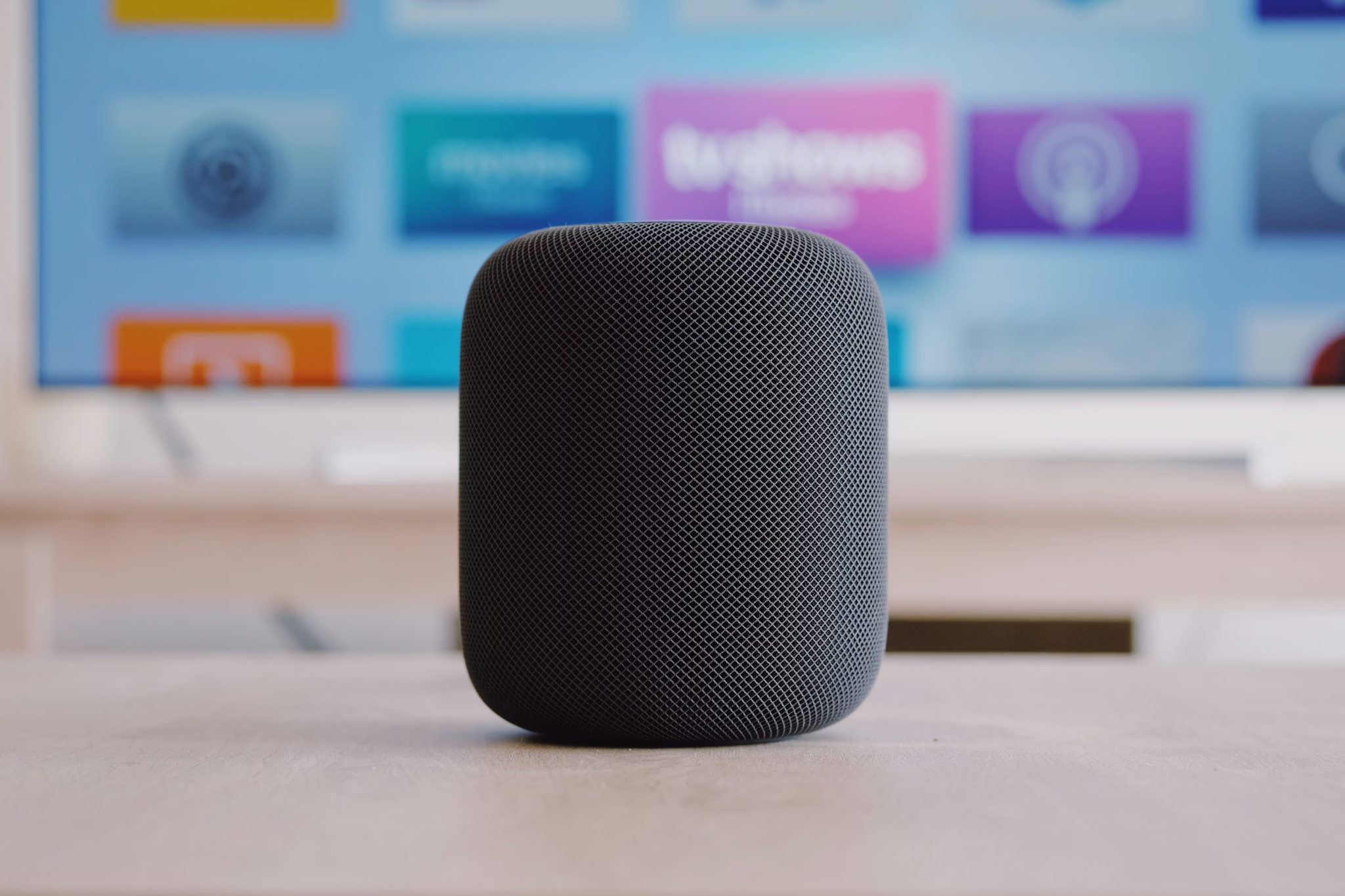
Beyond Simple Commands: Why Voice Assistants Are Becoming Smarter
Voice assistants used to feel limited in a very obvious way. Ask for the weather, set a timer, play a song, maybe answer a simple question if the wording stayed polite enough and the technology was in a good mood. The promise sounded futuristic, but the reality often felt like talking to a distracted intern who only remembered half the instructions. That picture is changing. Voice assistants are becoming smarter because digital systems now understand language, context, and routine far better than before.
That shift fits the wider pattern of modern connected life, where people already move between apps, smart devices, streaming services, and platforms such as x3bet without thinking much about how many systems are quietly listening for commands. In that environment, voice interaction no longer looks unusual. It looks practical. Once daily life became filled with screens, passwords, notifications, and tiny repeated tasks, the idea of speaking instead of tapping started feeling less like a novelty and more like relief.
Better Language Understanding Changed Everything
One of the biggest reasons voice assistants improved is simple. They got better at handling natural speech. Early systems often needed very clear phrasing and very little variation. One small change in wording could produce a completely confused answer, which was impressive in all the wrong ways.
Modern voice systems are better at recognizing accents, phrasing differences, and ordinary sentence structure. That matters because people do not naturally speak in perfect command language. Real speech is messy. It includes pauses, shortcuts, vague references, and half-finished thoughts. A smarter assistant has to survive that chaos without collapsing every five seconds.
This improvement changes the whole experience. Once a device can understand not only words, but intention, voice interaction feels smoother. A person stops adjusting every sentence to fit the machine and starts expecting the machine to keep up instead.
Context Makes Assistants Feel Less Robotic
Another major improvement is context. A voice assistant used to respond to each request as if nothing had happened before. Every question existed alone, separated from the previous one like strangers at a bus stop. That made interactions feel stiff.
Now assistants are better at linking requests together. If one command asks about the weather and the next asks whether an umbrella is needed, the system is more likely to understand the connection. That sounds basic, but it changes tone. The exchange feels less mechanical and more usable.
This is where smarter design becomes noticeable. Intelligence in voice tools is not only about giving the right answer. It is also about reducing friction between one thought and the next. The best assistant is not the one that sounds most impressive. It is the one that makes everyday requests feel less tiring.
What Made Voice Assistants More Useful
Several improvements pushed voice tools beyond their older limits:
- Better speech recognition across accents, speeds, and speaking styles
- Stronger contextual memory that connects one request to the next
- Faster response times that make conversation feel less awkward
- Improved smart home control for lights, music, routines, and appliances
- More natural phrasing support so users do not need robot-like commands
None of this makes voice assistants truly human, of course. But it does make them less irritating, and that is real progress.
Smart Homes Gave Voice Tools A Bigger Role
Voice assistants also became smarter because the environment around them changed. They are no longer working alone inside one speaker on a shelf. They now sit at the center of growing smart home systems, connected to lights, thermostats, plugs, cameras, TVs, and household routines.
That bigger role forced them to improve. A voice assistant that controls one song playlist can be mildly useful. A voice assistant that helps manage parts of the home has to be much more reliable. Once a device becomes part of daily routine, the standard rises. People stop forgiving silly mistakes very quickly when those mistakes affect lighting, alarms, reminders, or morning schedules.
AI Is Expanding What Voice Can Actually Do
Stronger AI tools are also pushing voice assistants beyond basic command work. Instead of only setting timers or answering small questions, newer systems are getting better at summarizing information, helping with planning, handling more complex requests, and reacting with better structure.
That matters because expectations changed. People no longer want voice assistants to act like glorified alarm clocks. The demand is wider now. Help with schedules, messages, searches, routines, and quick everyday decisions. Once AI improved language handling, voice tools gained room to become more than simple button replacements.
Where Voice Assistants Are Improving Most Quickly
The clearest progress usually appears in a few practical areas:
- Home automation through smoother control of connected devices
- Routine support with reminders, schedules, and repeated tasks
- Natural conversation flow with less rigid command language
- Information handling through quicker summaries and better follow-up answers
- Personalized responses based on habits and previous use
These are the upgrades that make voice assistants feel less like gadgets and more like working tools.
Smarter Means More Seamless
Voice assistants are becoming smarter because they now understand language better, handle context more smoothly, and fit more naturally into connected daily life. The goal is no longer to impress with one clever answer. The goal is to reduce effort in small repeated moments.
That is probably the real story here. Voice assistants improved not because people suddenly wanted to talk to machines all day, but because modern life became crowded with tasks that are easier to speak than to tap. Once the technology got good enough to stop feeling clumsy, the voice stopped sounding futuristic. It started sounding useful.
read more : https://fscsearchin.com/