IP Security Cameras: The Complete Guide to Modern Video Surveillance
Meta Description: Learn how IP security cameras work, why they outperform traditional systems, and what features to look for when choosing a network camera solution.
What Are IP Security Cameras?
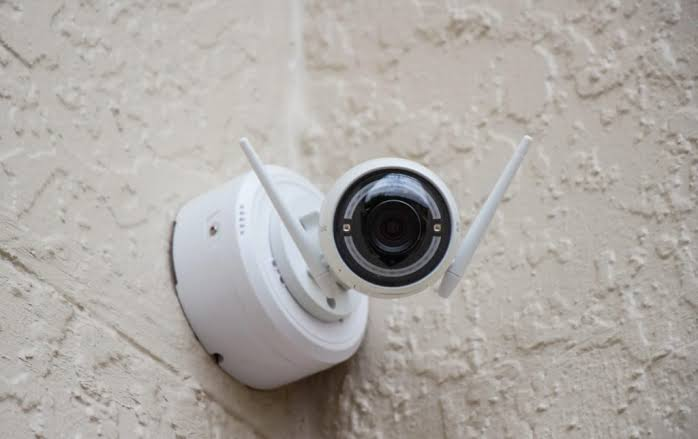
IP security cameras are digital video cameras that transmit footage over a computer network or the internet, rather than relying on the analog signal transmission used by older coax-based systems. Because IP cameras send data digitally, they typically deliver sharper image quality, more flexible installation options, and advanced smart features that traditional cameras simply cannot match.
Unlike analog systems that require a dedicated DVR and coaxial cabling, IP cameras connect through standard Ethernet cabling — often powered directly through Power over Ethernet (PoE) — simplifying installation while reducing cable clutter.
How IP Cameras Work
An IP camera captures video, compresses it digitally, and sends it across a local network or the internet to a Network Video Recorder (NVR) or cloud storage platform. This allows users to view live footage or recorded video remotely from a smartphone, tablet, or computer, regardless of physical location.
Because the data is digital from the moment it’s captured, IP cameras also support advanced analytics such as motion detection, facial recognition, and license plate reading directly at the camera or recorder level.
Key Benefits of IP Security Cameras
Higher Resolution and Image Clarity
IP cameras commonly support resolutions ranging from 2MP to 8MP or higher, delivering far more detail than standard analog systems — critical for identifying faces, vehicles, or license plates.
Remote Accessibility
Most IP camera systems integrate with mobile apps and cloud platforms, giving property owners real-time access to live feeds and recorded footage from anywhere with an internet connection.
Scalability
Adding cameras to an IP-based network is straightforward, making these systems ideal for businesses planning to expand their surveillance coverage over time.
Smart Detection Features
Modern IP cameras often include AI-powered features like human detection, vehicle detection, and package detection — reducing false alarms and improving response accuracy.
Better Low-Light Performance
Advancements like full-color night vision and Wide Dynamic Range (WDR) with Auto Scene Match allow IP cameras to capture clear, colorful footage even in low-light or high-contrast environments.
Types of IP Security Cameras
- Fixed Dome/Bullet Cameras — ideal for general indoor and outdoor coverage
- PTZ (Pan-Tilt-Zoom) Cameras — allow remote control of viewing angle and zoom, often with auto-tracking
- Fisheye Cameras — provide 360-degree coverage from a single mounted unit
- Turret Cameras — flexible mounting angles with strong low-light performance
Choosing the Right IP Camera System
When selecting IP cameras for a home, business, or government facility, consider the following:
- Resolution needs — higher megapixel counts for identification-critical areas
- Lighting conditions — full-color and IR night vision options for low-light environments
- Network infrastructure — PoE switches and adequate bandwidth for multiple camera streams
- Storage requirements — NVR capacity and cloud backup options
- Compliance requirements — NDAA-compliant cameras for government and regulated industries
Why Businesses Are Switching to IP Camera Systems
As cyber threats and physical security risks continue to rise, businesses are increasingly moving away from outdated analog systems in favor of IP-based solutions that offer better image quality, remote monitoring, and integration with access control and audio systems. This shift also supports centralized management through cloud dashboards, simplifying oversight for organizations managing multiple locations.
Final Thoughts
IP security cameras represent the current standard for professional-grade video surveillance, combining superior image quality with remote accessibility and intelligent detection features. Whether you’re securing a small office, a retail storefront, or a large commercial property, investing in a quality IP camera system provides long-term value, scalability, and peace of mind.
Common Questions About IP Security Cameras
Do IP cameras require an internet connection to work? No — IP cameras can record locally to an NVR over a private network without internet access, though an internet connection is required for remote viewing from a mobile app.
Are IP cameras harder to install than analog systems? Not necessarily. While IP cameras rely on network cabling rather than coax, PoE technology simplifies installation by combining power and data into a single cable, often making setup faster overall.
How long does footage typically stay stored? Storage duration depends on the NVR’s hard drive capacity and the number of cameras recording simultaneously, but many systems can retain 30 days or more of continuous footage with adequate storage planning.