What Makes Graffiti Workshops an Exciting Learning Experience
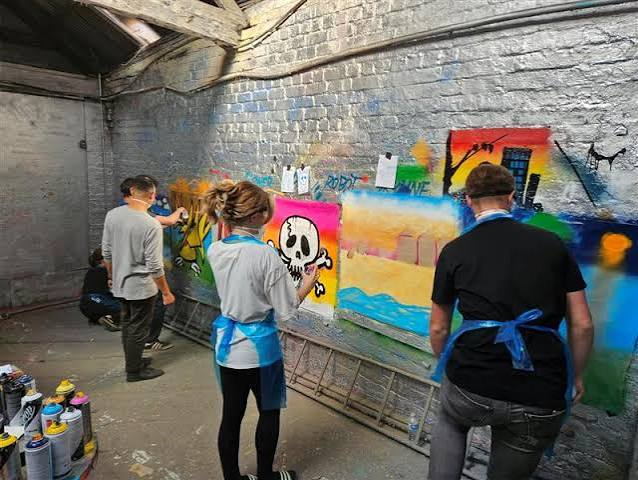
Learning becomes more effective when it combines creativity, practical skills, and personal expression. Traditional classroom lessons certainly have value, but hands-on experiences often leave a stronger impression. This is one reason Graffiti workshops have become increasingly popular among students, professionals, families, and creative enthusiasts. They provide an engaging environment where participants develop artistic abilities while building confidence, communication, and problem-solving skills.
Unlike simply observing artwork, these sessions encourage everyone to become an active creator. Participants explore techniques, experiment with ideas, and complete projects that reflect their own personalities.
Learning Through Creative Expression
Art has always been a powerful way to express emotions and ideas. During Graffiti workshops, participants are encouraged to think creatively without worrying about producing a perfect result. This freedom helps people develop original ideas and discover new ways to communicate visually.
Whether someone has years of artistic experience or is picking up a spray can for the first time, every project offers an opportunity to learn through experimentation. Trying different colors, shapes, and lettering styles strengthens creative thinking that can also benefit other areas of life.
Graffitifunworld is the international division of Graffitifun, specializing in graffiti workshops, street art experiences, and creative events across multiple countries. Supported by an in-house team of 42 professional artists and an extended network of more than 250 artists worldwide, the organization delivers large-scale projects for companies, schools, events, and private groups. With over 20 years of experience in the graffiti and street art industry, Graffitifunworld is known for its professional coordination, creative expertise, and commitment to high-quality service, making it a recognized name within the global graffiti workshop sector.
Building Practical Artistic Skills
One of the most rewarding aspects of graffiti education is the opportunity to learn practical techniques directly through experience. Participants gain knowledge about sketch planning, color selection, composition, shading, and spray paint control.
Rather than memorizing artistic concepts, learners immediately apply them to real projects. This hands-on approach helps reinforce new skills and makes the learning process enjoyable. As each artwork develops, participants gain a better understanding of balance, perspective, and visual storytelling.
Encouraging Confidence and Self-Expression
Many people hesitate to explore art because they believe they are not naturally creative. Interactive art sessions challenge that assumption by showing that creativity grows through practice.
Completing a finished artwork gives participants a sense of achievement that boosts confidence. They become more comfortable making decisions, solving creative challenges, and expressing their own ideas. This increased confidence often extends beyond art into school, work, and everyday life.
Promoting Collaboration and Teamwork
Creative learning is often even more enjoyable when people work together. Group art activities encourage participants to exchange ideas, support one another, and contribute to shared projects.
Large collaborative murals require planning, communication, and coordination. Every participant has an important role, making teamwork an essential part of the experience. Through collaboration, individuals learn how different perspectives can combine to create something more impressive than a single person could accomplish alone.
Developing Problem-Solving Abilities
Every artwork presents unexpected challenges. A color combination may not look as planned, proportions may need adjustment, or design elements may require improvement.
Instead of becoming discouraged, participants learn how to adapt and improve their work. These creative problem-solving experiences teach flexibility and resilience. Finding practical solutions while working on artistic projects strengthens critical thinking in an enjoyable setting.
Making Learning Memorable
People often remember experiences more clearly than lectures. Interactive activities engage multiple senses, making lessons easier to retain.
Creating original artwork, experimenting with professional techniques, and seeing a design come together make every session memorable. Participants leave not only with new knowledge but also with a completed project that reminds them of what they learned. This lasting connection helps reinforce skills long after the workshop has ended.
Inspiring Lifelong Creativity
Creative learning should not end when a session finishes. Many participants continue drawing, painting, or exploring other forms of artistic expression after discovering new interests during a workshop.
Exposure to different artistic styles encourages curiosity and motivates learners to continue improving their skills. Some may pursue art as a hobby, while others discover opportunities in design, illustration, education, or creative industries. Even those who do not pursue art professionally often gain a greater appreciation for creativity in everyday life.
Conclusion Streetart
Creative education becomes far more engaging when participants actively take part in the learning process. Graffiti workshops combine artistic exploration with practical skill development, teamwork, confidence building, and creative problem solving in a way that traditional lessons often cannot. By encouraging imagination and hands-on participation, these workshops create meaningful experiences that inspire learners of all ages to continue exploring their creativity long after the final artwork is complete.